
The phrases “Stay Woke” and “Black Lives Matter movement” significantly increased public awareness of social injustices, especially those related to racism and discrimination. While these concepts originate from Black culture, “WOKE” has evolved into progressive activism aimed at various marginalized groups, including LGBTQ+ individuals, women, and minorities. However, the term “WOKE” is also used negatively by some, observing it as a criticism of excessive political correctness or divisive liberal ideology. This usage has sparked cultural conflicts over issues of diversity, inclusion, and social justice.
“WOKE” originated from African American Vernacular English (AAVE), refers to being aware of systemic oppression and prejudice. It emerged in the 20th century among Black Americans and has become increasingly associated with current events in the 21st century, particularly through the millennial generation known as Generation Z (Google).
The phrase “stay woke” emerged during the 2014 Ferguson protests, championed by “Black Lives Matter” (BLM) activists determined to raise awareness about police shootings and the excessive use of force against African Americans. Originating on “Black Twitter,” the term “WOKE” quickly gained traction among white individuals, who used it to signal their support for progressive causes. Its influence expanded significantly among millennials and reached a global audience. By 2019 and into the mid-2020s, political commentators recognized the rise of a “WOKE RIGHTS,” indicating a notable shift in the discourse surrounding social justice issues.
WOKE and HIPPIES:
The Woke movement, which focuses on contemporary social justice, contrasts with the Hippie movement of the 1960s counterculture. Hippies prioritized anti-establishment ideals, personal freedom, peace, Eastern spirituality, and a rejection of materialism. The “WOKE MOVEMENT” aims to identify and dismantle systemic oppression, such as racism and sexism. It emphasizes promoting equality for marginalized groups, often by critiquing historical injustices. These two movements reflect different eras and priorities: Hippies championed individual liberation, while the ‘WOKE MOVEMENT” advocates for systemic equity. Additionally, their methods differ, as Hippies embraced a countercultural lifestyle, whereas Woke ideology is rooted in critical theory and identity politics.
WOKE FAMILIES:
The color of a person’s skin can greatly influence how they are treated by “WOKE” individuals and the expectations placed upon them. Stereotyping is a phenomenon that those who identify as “WOKE” can react to defensively. Generally, WOKE individuals tend to be “neutralists,” avoiding direct confrontation unless the situation calls for public awareness. To fully engage with “woke culture,” one must understand discourse communities and recognize how individuals withdraw from or engage with various worldviews.
Parents of “woke children” are increasingly vigilant about the messages children absorb from society and the guidance they receive at home. These parents instill in their children a strong sense of pride in their identity and foster an optimistic outlook on life, all while encouraging them to understand and navigate the complexities of how they are perceived by others. Despite this conscientious upbringing, many influential figures in various sectors—such as politics, education, and business—seem to be neglecting the necessity of embracing diversity in their actions and policies. This complacency could have lasting implications for the future. In a thriving democracy that aspires to protect and promote constitutional and civil rights for all its citizens, it becomes imperative to actively include voices and perspectives from a broad spectrum of social and ethnic backgrounds. Additionally, representation of various genders and sexual orientations plays a crucial role in fostering an inclusive environment that values every individual’s contribution. Such diversity not only enriches our communities but also strengthens the fabric of society as a whole.
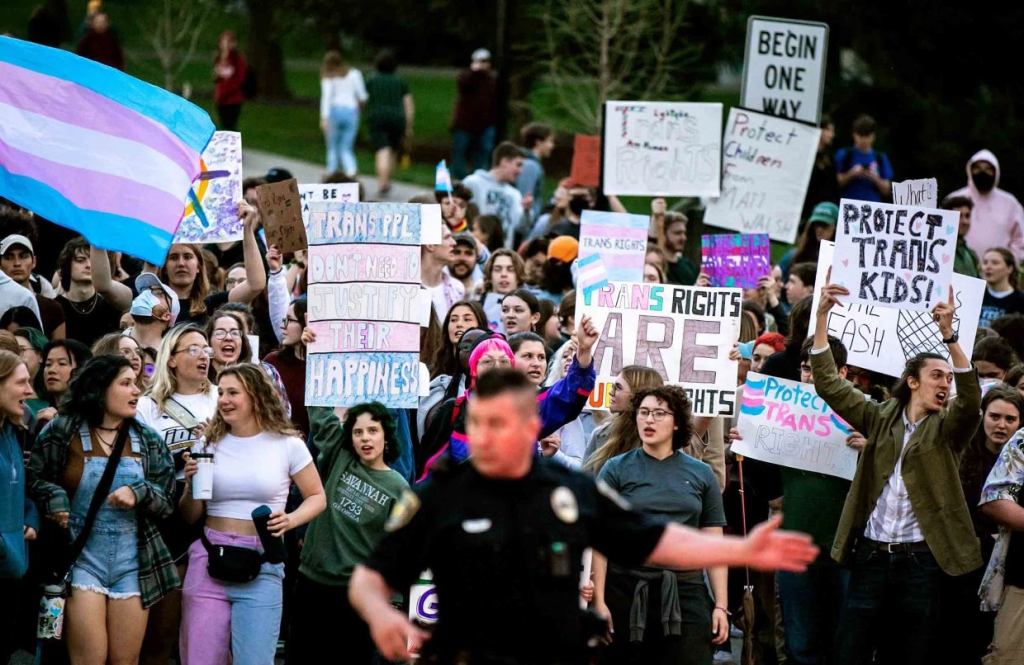
“WOKE FAMILIES” are not inherently non-binary by definition. This clearly indicates that the term does not possess a fixed or natural meaning; instead, its significance is shaped by context, interpretation, or the assignment made by people. For instance, technology is not evil in itself, but its use can certainly lead to negative outcomes. This distinction is crucial, as it highlights that some concepts do not carry a pre-defined or automatic significance; rather, they acquire meaning through societal influence and application.
The ”WOKE MOVEMENT’ embodies a generation that is both sensitive and actively engaged in promoting equality as a vital pathway to achieving global harmony. This initiative highlights the necessity of honoring diverse backgrounds, perspectives, and identities, while firmly rejecting any form of derogatory labeling or discrimination. Historically, intolerance has been woven into the fabric of humanity since its earliest days, leading to various conflicts and injustices. In response to this longstanding issue, the “WOKE MOVEMENT” aims to plant the seeds of compassion, fostering a deeper understanding and appreciation for one another among people from all walks of life. By prioritizing education and setting positive examples, this movement aspires to empower future generations, ensuring they grow up in an environment that values empathy and inclusivity. Ultimately, the “WOKE MOVEMENT” seeks to cultivate a world where respect for diversity is not just encouraged but celebrated, paving the way for sustainable peace and unity among all individuals.
 Welcom Viewers
Leave a comment